
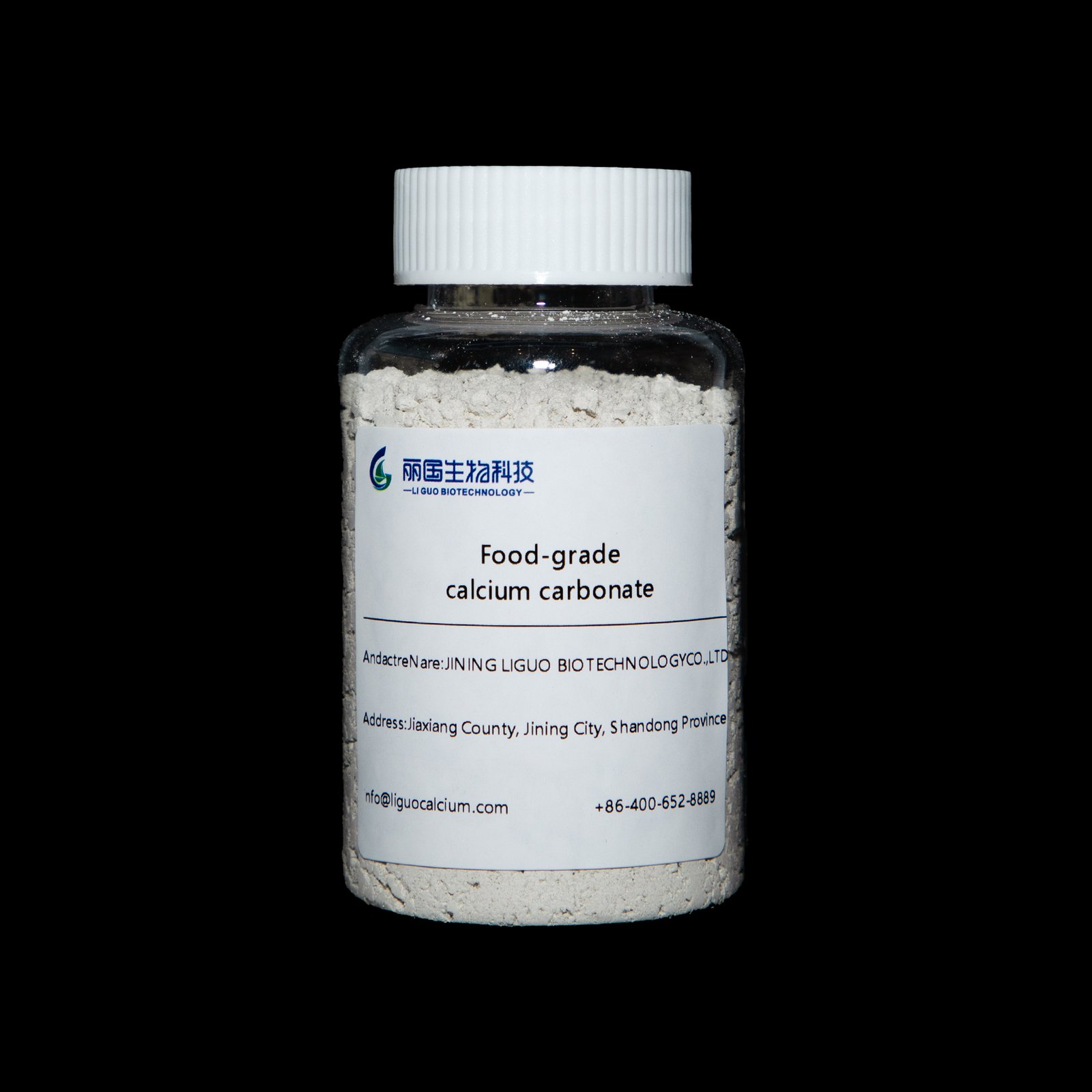
Food‑grade calcium carbonate is a high‑purity, food‑safe inorganic calcium compound, produced from purified natural limestone or synthetic processes to meet strict food safety standards. It is widely used as a food additive, calcium fortifier, anti‑caking agent, acidity regulator, and dough conditioner. It is GRAS (Generally Recognized as Safe) by the FDA and approved for food use in the EU, China, and other countries. It is stable, non‑toxic, and widely applied in dairy, bakery, beverages, infant food, and dietary supplements.
Food-Grade Calcium Carbonate: Main Food Applications & Dosage
Main Food Applications:
Food‑grade calcium carbonate (E170) is a widely used food additive with multiple functions in food processing:
1. Calcium fortification: Added to milk, yogurt, cheese, plant‑based drinks, bread, cereals, biscuits, and infant formula to enhance calcium content.
2. Anti‑caking agent: Prevents agglomeration in powdered foods such as flour, milk powder, spices, seasonings, and instant drinks.
3. Acidity regulator & buffering agent: Stabilizes pH in beverages, jams, jellies, canned fruits, and processed foods.
4. Dough conditioner: Improves gluten strength, volume, and texture in bread, cakes, pastries, and noodles.
5. Color stabilizer & filler: Used in confectionery, desserts, and processed meat to improve appearance and structure.
6. Nutritional supplement: Used in chewable tablets, capsules, and functional foods as a calcium source.
Typical Dosage Guidelines
Dosage varies by application and regional regulations, generally used at low levels:
• Calcium fortification: 0.1% – 2.0% (based on total product weight).
• Anti‑caking agent: 0.05% – 1.0%.
• Baking & dough improvement: 0.1% – 0.5%.
• Acidity regulation & buffering: 0.05% – 0.8%.
• Confectionery & desserts: 0.5% – 3.0%.
It is recognized as GRAS (Generally Recognized as Safe) by the FDA and approved in the EU, China, and other regions when used within authorized limits.